
finsterbrad
May 27
3 min read
Published by GQ
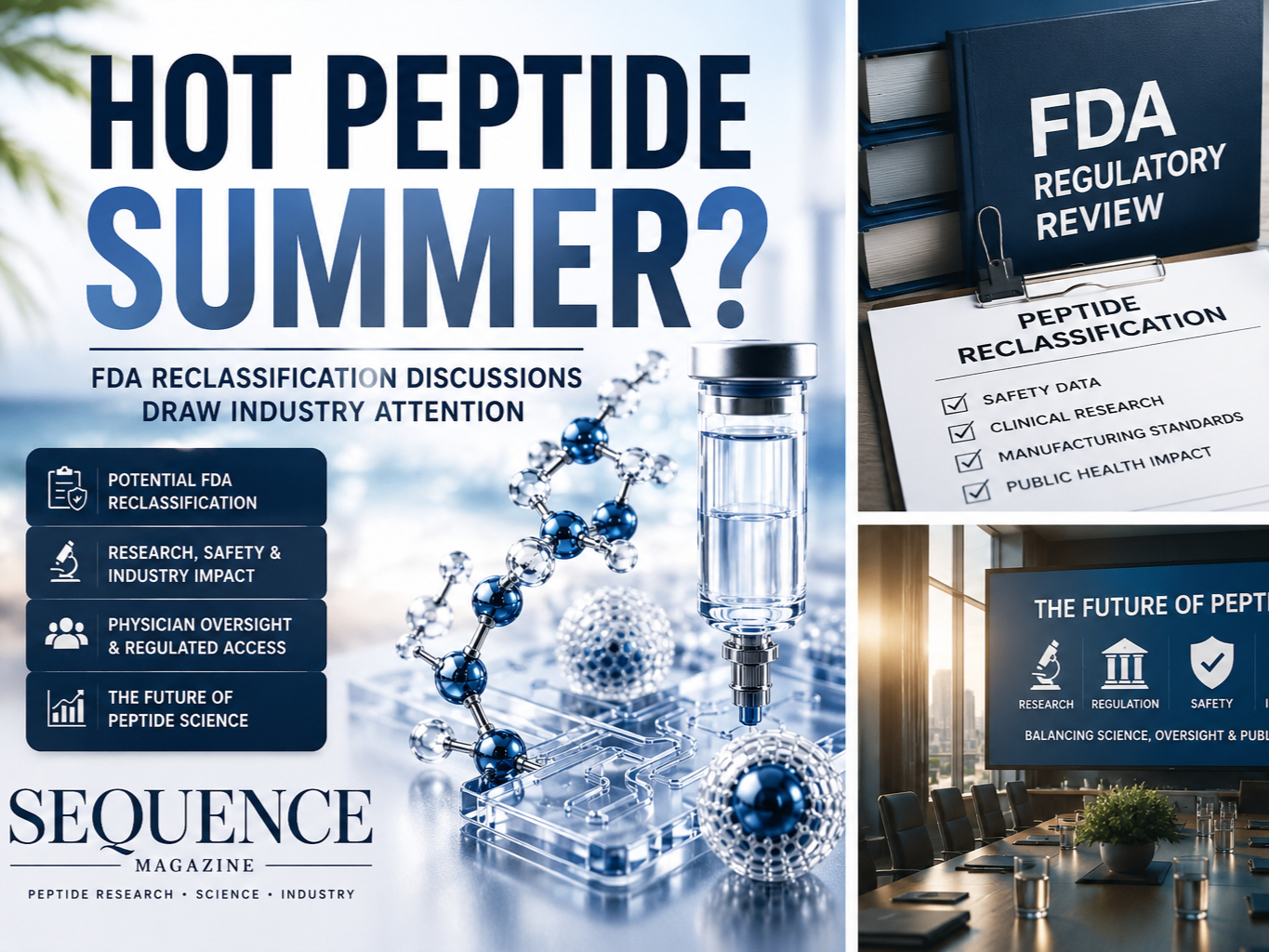
The peptide industry is once again drawing national attention following reports that U.S. health officials may revisit regulatory classifications surrounding several previously restricted peptide compounds.
In a recent article published by GQ, discussion centered around comments reportedly made by Health and Human Services Secretary Robert F. Kennedy Jr. regarding the potential reclassification of more than a dozen peptides currently associated with the FDA’s Category 2 compound list. According to the report, any future changes could affect how certain peptides are researched, prescribed, compounded, and distributed within regulated medical environments.
The article noted that several compounds currently restricted under existing FDA guidance have continued generating significant public interest despite regulatory limitations. Industry observers cited increasing demand surrounding peptides associated with recovery, metabolism, tissue signaling, cognitive research, and performance-related investigations.
At the same time, the report emphasized that many of these compounds still lack extensive long-term human research data, which remains a major source of ongoing debate among researchers, physicians, and regulatory professionals.
One peptide specifically discussed was BPC-157, a compound that has attracted widespread attention online in recent years. The article referenced concerns raised in scientific literature regarding the need for additional safety evaluation and more comprehensive research before broader mainstream adoption could occur.
Despite those concerns, some physicians and wellness-industry professionals interviewed in the article argued that moving certain peptides back into more regulated medical and pharmacy channels could potentially reduce reliance on unregulated gray-market sourcing. Several experts suggested that physician oversight, pharmaceutical manufacturing standards, and expanded clinical research could improve transparency and safety compared to uncontrolled distribution channels.
The article also explored how peptide-related discussions are increasingly shifting from niche biohacking communities into broader wellness and longevity conversations. Researchers, wellness clinics, and supplement-tracking platforms have all reported growing consumer awareness surrounding peptides and peptide-adjacent compounds over the past several years.
Still, medical professionals quoted throughout the article repeatedly stressed the importance of caution, physician oversight, and evidence-based decision-making. Experts emphasized that peptide protocols can involve nuanced dosing considerations, cycling schedules, and individualized risk assessments that require knowledgeable medical supervision.
The report additionally warned consumers to remain cautious regarding any claims of immediate availability should future regulatory changes occur. According to physicians interviewed, legitimate pharmaceutical manufacturing, testing, and distribution processes would likely require substantial time before any officially approved pathways became operational.
As discussions surrounding peptides continue evolving, the broader industry appears increasingly focused on balancing scientific exploration, patient safety, regulatory oversight, and market demand within one of the fastest-growing sectors of modern wellness and longevity research.
Why This Matters to the Industry
Potential regulatory changes involving peptides could significantly impact research access, physician-guided treatment pathways, pharmaceutical compounding, and broader public perception surrounding peptide science. Many industry participants believe that clearer regulatory frameworks could encourage more formal research while improving manufacturing oversight and reducing reliance on unregulated sourcing channels.
At the same time, ongoing debates surrounding safety, evidence quality, long-term outcomes, and responsible medical oversight are likely to remain central topics as peptide-related markets continue expanding across wellness, longevity, and performance sectors.
Credit: This brief summary is based on reporting originally published by GQ.
Editor’s Note: This article is provided solely for research, educational, editorial, and industry discussion purposes. Sequence Magazine does not promote, recommend, endorse, or imply any personal use, medical use, therapeutic benefit, treatment outcome, or health claim related to peptides or associated compounds. The content referenced herein reflects third-party reporting and industry developments, and should not be interpreted as medical advice, product claims, or regulatory guidance.